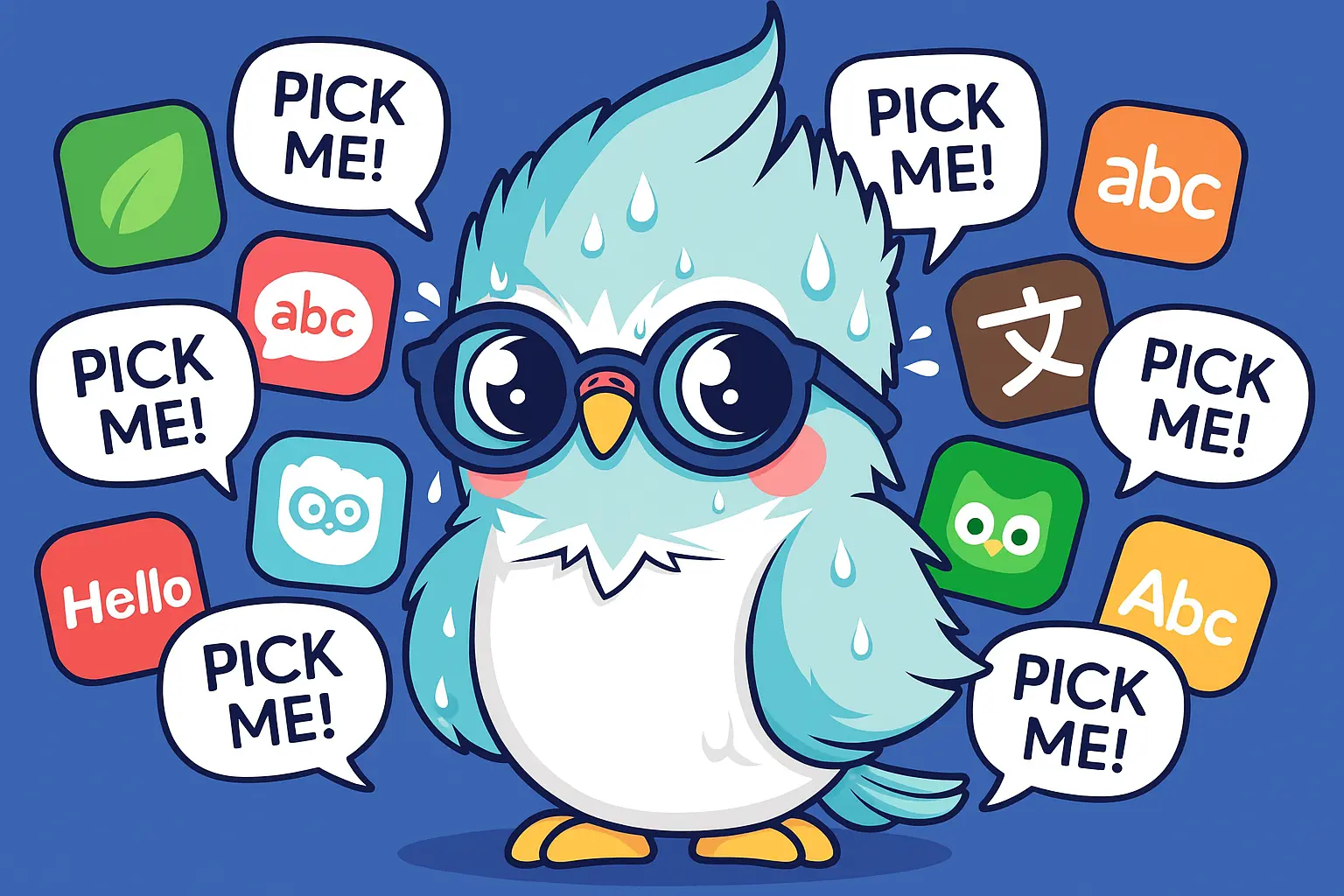
Kippy
Your friendly guide. Asks about your day and helps when you get stuck.
You know a good number of characters, you have learned the four tones, and you understand more than you can say. Then someone asks you something in Chinese, and you are still working out the tone of the second word when they move on. Kippy gives you a private place to speak out loud, get it wrong and try again. You don't need perfect tones. You need to be understood.
See what a Kippy practice session looks like


Try Kippy on your iPhone
Scan the code with your phone, or open the App Store directly.

AI Chinese speaking practice means having spoken conversations in Mandarin Chinese with an AI partner that listens, replies and gives you feedback. With Kippy, you talk out loud about food, work, family or travel, get a suggested reply when you freeze, and see corrections on your pronunciation and grammar. You choose Simplified or Traditional characters, and you can practice any time without a tutor.
Chinese is hard to speak for a reason many courses underplay: tones change in real speech. Two third tones in a row become a rising tone and a third tone. 不 and 一 change depending on the word after them. Add measure words (一本书, 两杯咖啡) and the fact that "two" is sometimes 二 and sometimes 两, and it's no surprise that learners slow down to think.
Tone charts and flashcards get you started. Speed comes from saying whole sentences. Talk in Kippy, see which words were hard to understand, and say them again. In a real conversation context does a lot of the work, so getting understood comes before getting every tone right.
Real conversations don't follow the dialogue in your textbook. In Kippy you choose who you talk to:
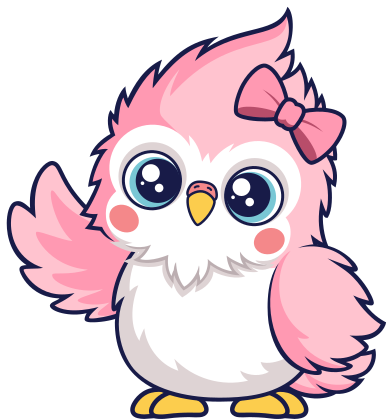
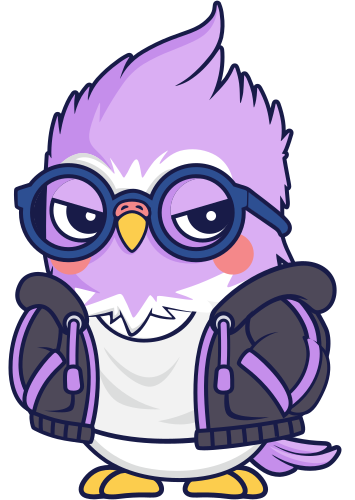
Disagreeing is great Chinese practice. You have to think fast, find the right measure word and keep your tones together while someone pushes back. Here is what a conversation with Yappy can look like:
Kippy works like a Chinese speaking partner on your phone. It keeps the conversation moving, helps when you get stuck, and shows you which words to work on.
 A Hint When You Freeze Suggested replies when the next word won't come.
 Help in Your Own Language Ask why it's 两 and not 二, then switch back to Chinese.
 Real Situations Ordering food, hotels, job interviews and more.
 Pronunciation Feedback See which words were hard to understand.
 Grammar Check Corrections as you speak, without stopping the chat.
 Your Own Phrasebook Save the Chinese you actually used.
Most Chinese learners put hours into characters and vocabulary. Saying full sentences out loud gets the least time.
With Kippy the conversation starts right away. No booking, no partner, no waiting until your tones feel ready.
Pick a situation, then speak through it:
| Situation | What to practice |
|---|---|
| Introductions | Say your name, where you're from and why you're learning Chinese. |
| Restaurants | Order dishes and drinks with the right measure words, and ask for it 不辣 (not spicy). |
| Shopping | Ask 多少钱, understand the price that comes back and ask for it a little cheaper. |
| Travel | Take a taxi, buy train tickets, check in at a hotel and ask for directions. |
| Family calls | Talk with relatives who speak Chinese about news, food, health and plans. |
| Work | Introduce your company, make small talk with colleagues and give an update. |
| Making friends | Talk about hobbies, food and weekends, and ask questions back. |
| Opinions | Disagree with Yappy and explain why, with your tones still in place. |
Nobody is understood every time, and with tones it happens often. What matters is keeping the conversation going. Say each phrase out loud, then use it in your next conversation in Kippy:
In Kippy you can use them for real: ask Tippy or Yappy to repeat, rephrase when they look confused, and keep going. When a word won't come, instant translation gives it to you in the middle of the conversation.
Kippy is built for people who understand more Chinese than they can say. It is a good fit if you:
Kippy gives you speaking practice on the days you would otherwise get none.
“This is the best app for conversations. You can either speak in your native language with the AI or try your desired language. … It’s like learning without realizing you’re learning.”
“I feel I’m able to communicate better because of Kippy. It really helps in giving feedback after each practice. My pronunciation has gotten better after using Kippy.”
“The app is great to practice pronunciation and conversation in a new language you learn.”
Weighing up your options? These guides compare AI speaking apps and cover Duolingo Max alternatives, with picks for Chinese:
Yes. Kippy is free to download from the App Store for iPhone and iPad. Premium is $99.99 a year (US).
ChatGPT is a general assistant. Kippy is built for speaking practice: it suggests replies when you get stuck, checks your pronunciation and grammar, saves the phrases you used, and lets you practice real situations. Tippy keeps things sweet and playful, while Yappy has opinions of his own and argues back.
Kippy’s Chinese is Mandarin. You can choose Simplified or Traditional characters, depending on the materials you study with or where you plan to use your Chinese.
Yes. Ask Kippy in English when to use 二 and when to use 两, then switch back to Chinese and keep talking. Kippy explains in your own language, for any language pair.
No. Speaking and reading are separate skills, and many learners speak before they read much. When a word on screen is new, instant translation shows you what it means so you can keep talking.
Talk to Kippy for five minutes a day. Pick a topic, answer out loud, and use the hint when you freeze. Short, regular conversations help more than one long session a week.
Yes. Kippy can explain things in English, suggest what to say next and translate when you need it, so you can start speaking before you feel ready.
Download Kippy from the Apple App Store for iPhone and iPad (iOS 17 or later). On a computer, scan the QR code on this page with your iPhone.