Kippy
Your friendly guide. Asks about your day and helps when you get stuck.
You can follow a lot of Japanese. Then someone asks you a simple question, and you are still picking the right verb ending when the moment passes. Kippy gives you a private place to say it out loud, get it wrong and try again, until the answer comes without the long pause. You don't need perfect Japanese. You need to be understood.
See what a Kippy practice session looks like
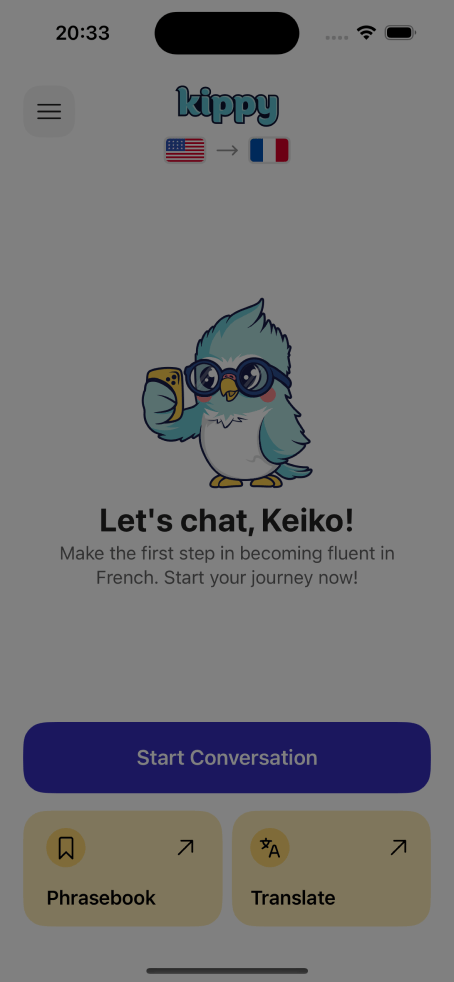


Try Kippy on your iPhone
Scan the code with your phone, or open the App Store directly.

AI Japanese speaking practice means having spoken conversations in Japanese with an AI partner that listens, replies and gives you feedback. With Kippy, you talk out loud about your day, food, work or travel, get a suggested reply when you freeze, and see corrections on your pronunciation and grammar. You can practice any time, without booking a tutor.
Japanese freezes people in a particular way. Before the first word, you have to decide how polite to be. Textbooks teach です and ます. Friends talk casually. Shops and offices use keigo. Most learners know all three exist and still hesitate, because picking the wrong one feels worse than saying nothing.
Two things make it easier than it looks. Speaking doesn't wait for kanji: you can hold a real conversation long before you can read a newspaper. And Japanese leaves out whatever is obvious, so you rarely need 私は or あなた. A short answer like ラーメンを食べました is a complete sentence. Say those out loud first, and add politeness and detail as you go.
Real conversations are not textbook dialogues where everyone politely agrees. In Kippy you choose who you talk to:


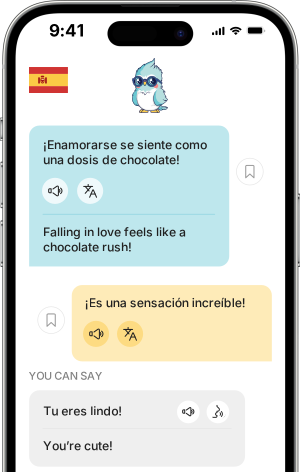
Start with Kippy while you are still choosing your verb endings. Chat with Tippy for some playful encouragement, or Yappy when you want to practice disagreeing, which takes real skill in Japanese. Here is what a chat with Kippy can look like:
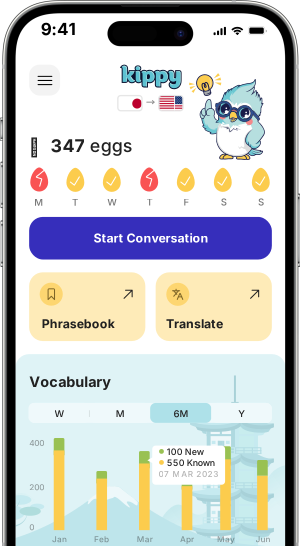
Kippy works like a Japanese speaking partner on your phone. It starts the conversation, helps when you get stuck, and shows you what to fix.
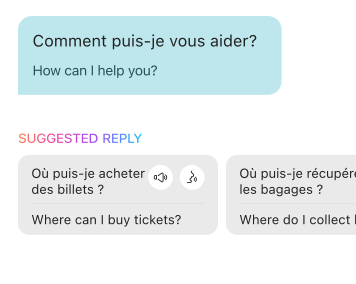 A Hint When You Freeze Suggested replies when the verb ending won't come.
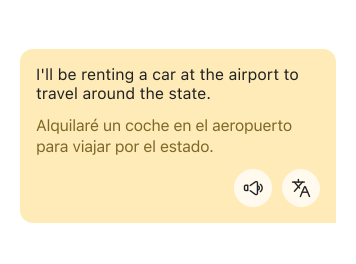 Help in Your Own Language Ask why a sentence sounds too casual, then switch back to Japanese.
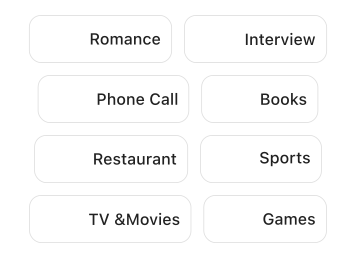 Real Situations Restaurants, hotels, shops, work and job interviews.
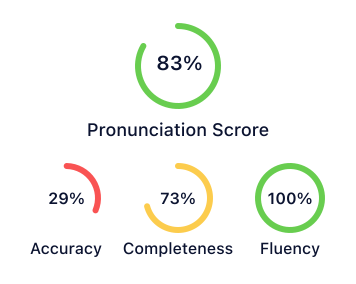 Pronunciation Feedback See which words were hard to understand.
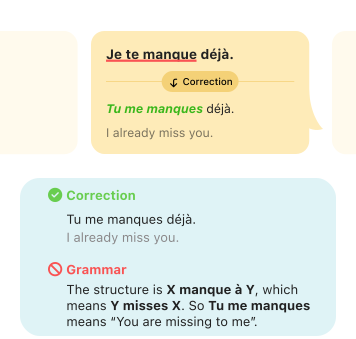 Grammar Check Fixes like おいしかった without stopping the chat.
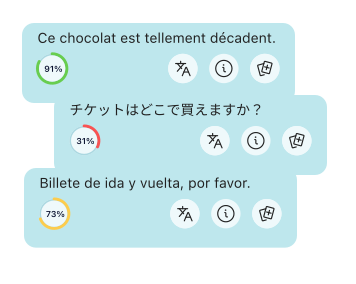 Your Own Phrasebook Save the Japanese you actually used.
Most Japanese learners spend their study time on kana, kanji and vocabulary. Speaking gets whatever time is left, and often that is one class a week.
With Kippy the conversation starts right away. No booking, no partner, no waiting until your Japanese feels ready.
Pick a situation, then speak through it:
| Situation | What to practice |
|---|---|
| Introductions | Say who you are and where you are from in polite Japanese, without starting every sentence with 私は. |
| Restaurants and izakaya | Order, ask what they recommend, say what you can't eat and ask for the bill. |
| Shops and konbini | Answer the quick questions at the till, ask where something is and ask about sizes. |
| Travel | Buy train tickets, check in at a hotel, ask for directions and handle a change of plan. |
| Making friends | Talk about food, hobbies and weekends in casual Japanese, with short replies like なるほど to keep it going. |
| Work | Give an update, ask a colleague for help and turn something down without a flat いいえ. |
| Job interviews | Talk about your experience and goals in the polite Japanese interviewers expect. |
| Opinions | Disagree with Yappy without sounding rude, then explain why. |
Nobody is understood every time. In Japanese, politely asking someone to repeat is completely normal, so use it. Say each phrase out loud, then try it in your next conversation in Kippy:
In Kippy you can use them for real: ask Tippy or Yappy to repeat, rephrase when they look confused, and keep going. When a word is missing, instant translation fills the gap and guided conversations suggest what to say next.
Kippy is built for people who understand more Japanese than they can say. It is a good fit if you:
Kippy gives you speaking practice on the days you would otherwise get none.
“I use this for Japanese and I do see improvements.”
“…a nice app for learning Japanese. … It’s very good though 👍🏾 I recommend it 💯”
“Talking to Kippy feels like chatting with a friend. It's a great way to practice language that I'm learning without nagging friends to chat with me or paying for a tutor!”
Still comparing apps? These guides look at AI speaking apps side by side, and at Duolingo Max alternatives for Japanese learners:
Yes. Kippy is free to download from the App Store for iPhone and iPad, so you can start speaking Japanese right away. Premium is $99.99 a year (US).
ChatGPT is a general assistant. Kippy is built for speaking practice: it suggests replies when you get stuck, checks your pronunciation and grammar, saves the phrases you used, and lets you practice real situations like ordering food or a job interview. Tippy keeps things sweet and playful, while Yappy has opinions of his own and argues back.
No. Speaking and reading are separate skills, and many learners speak well before they can read much kanji. When a word on screen is new, instant translation shows you what it means so you can keep talking.
Start with polite です and ます. It is safe with strangers, in shops and at work, and casual speech is easier to pick up once the polite forms come automatically. If you’re not sure which one fits, ask Kippy to explain in English.
Yes. Kippy has 30+ real-life scenarios, such as ordering food and checking into a hotel, so you can say what you need out loud before you travel.
Talk to Kippy for five minutes a day. Pick a topic or a situation, answer out loud, and use the hint when you freeze. Short, regular conversations help more than one long session a week.
Yes. Ask Kippy in English when to use は and when to use が, then switch back to Japanese and keep talking. Kippy explains in your own language, for any language pair.
Download Kippy from the Apple App Store for iPhone and iPad (iOS 17 or later). On a computer, scan the QR code on this page with your iPhone.